Published May 11, 2023
Different Types of Home Mortgages Explained

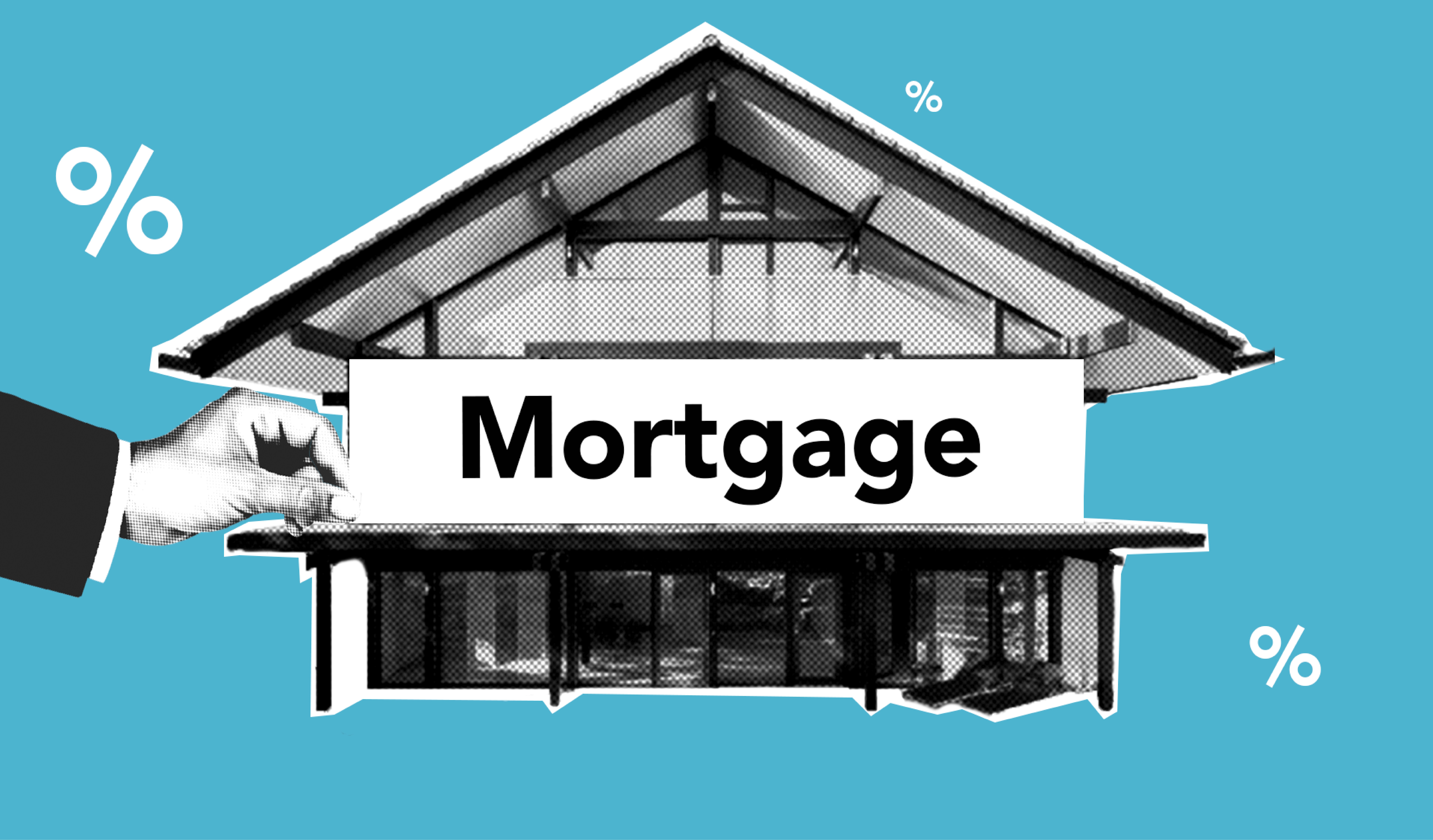
There are several different types of home mortgages available to prospective home buyers, each with its own unique characteristics and benefits. Here are some of the most common types of home mortgages:
1. Fixed-rate mortgages: This is the most common type of home mortgage. With a fixed-rate mortgage, the interest rate remains the same throughout the life of the loan, which is typically 15 or 30 years. This type of mortgage provides stability in the monthly payments, as the borrower always knows exactly what their monthly payment will be.
2. Adjustable-rate mortgages (ARMs): An ARM is a mortgage in which the interest rate can change periodically, based on an index such as the prime rate. Typically, the interest rate is lower at the beginning of the loan term than a fixed-rate mortgage, but it can increase over time, resulting in higher monthly payments.
3. FHA loans: These are loans insured by the Federal Housing Administration and are designed to help first-time homebuyers who may not qualify for a traditional mortgage. FHA loans require a lower down payment and have less strict credit score requirements than conventional mortgages.
4. VA loans: These are loans guaranteed by the Department of Veterans Affairs and are available to active-duty military members, veterans, and their spouses. VA loans typically have lower interest rates than conventional mortgages and do not require a down payment.
5. USDA loans: These are loans offered by the United States Department of Agriculture and are designed to help people who live in rural areas purchase a home. USDA loans offer low interest rates and do not require a down payment.
6. Jumbo loans: Jumbo loans are mortgages that exceed the conforming loan limits set by Fannie Mae and Freddie Mac. These loans are typically used to purchase high-value properties and may require a larger down payment and stricter credit score requirements.
7. Interest-only mortgages: With an interest-only mortgage, the borrower pays only the interest on the loan for a set period, typically 5-10 years, after which they must begin paying down the principal. These mortgages can be risky, as the monthly payments can increase significantly once the interest-only period ends.
It's important to note that each type of mortgage has its own advantages and disadvantages, and what's right for one person may not be right for another. It's important to carefully consider your options and speak with a mortgage professional to determine which type of mortgage is best for your unique situation.
If you are considering purchasing a home, contact the Turner Victory Team and we can help assit you as you consider your mortgage options.


