Published April 13, 2023
Renting vs. Owning a Home

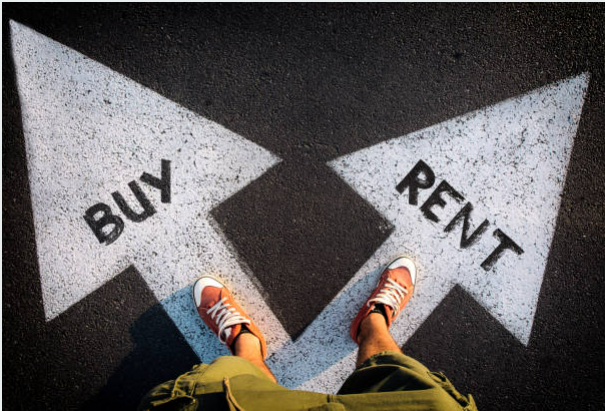
Deciding whether to rent or buy a house is a big decision that can have a significant impact on your financial situation and lifestyle. Each option has its advantages and disadvantages, and it's essential to weigh them carefully before making a choice.
Renting a House:
Renting a house has several advantages, including:
Flexibility: Renting a house gives you the flexibility to move whenever you want, without the hassle of selling your property. This can be especially beneficial if you are unsure about your long-term plans or if you frequently move for work.
Lower upfront costs: Renting a house usually requires lower upfront costs than buying, as you won't have to pay a down payment, closing costs, or other expenses associated with buying a home.
Reduced responsibilities: When you rent a house, you are typically not responsible for maintenance or repairs. This means that you don't have to worry about the costs or time associated with these tasks, making renting a more convenient option for some people.
However, there are also some drawbacks to renting a house, such as:
Lack of control: When you rent a house, you are limited in terms of what changes you can make to the property. This means that you can't paint the walls, install permanent fixtures, or make other modifications to the property without the landlord's permission.
No equity: When you rent a house, you are essentially paying for someone else's investment. You won't build equity in the property over time, which can be a disadvantage if you plan to stay in the same area for a long time.
Rent increases: Rent is subject to change, and landlords can raise it at any time. This can make it challenging to plan your finances, as you may not know how much you'll be paying for rent in the future.
Buying a House:
Buying a house has several advantages, including:
Building equity: When you buy a house, you build equity over time as you pay down your mortgage. This means that you have an asset that you can sell in the future or use to finance other purchases.
Greater control: When you own a house, you have greater control over the property. You can make changes to the property as you see fit, without needing the landlord's permission.
Potential for appreciation: Real estate values can increase over time, which means that your house could be worth more than you paid for it. This can be a significant advantage if you plan to sell the property in the future.
However, there are also some drawbacks to buying a house, such as:
Higher upfront costs: Buying a house typically requires a significant upfront investment, including a down payment, closing costs, and other fees. This can be a barrier for some people who don't have the resources to make this type of investment.
Maintenance and repair costs: When you own a house, you are responsible for maintenance and repair costs. This means that you'll need to budget for these expenses and be prepared to spend time and money on them.
Reduced flexibility: When you own a house, it can be more challenging to move than when you rent. You'll need to sell the property or find renters if you want to move, which can be a time-consuming and costly process.
In conclusion, whether to rent or buy a house ultimately depends on your financial situation, lifestyle, and goals. Renting is often a good option for those who want flexibility and lower upfront costs, while buying is more suitable for those who want to build equity and have greater control over their property. It's essential to consider all the factors involved and make an informed decision that aligns with your needs and priorities.
If you are debating whether you should rent or buy, reach out to the Turner Victory Team at Parks Real Estate. We can help bring you clarity.


or another way